WARNING: This product contains nicotine. Nicotine is an addictive chemical.
Article Search:
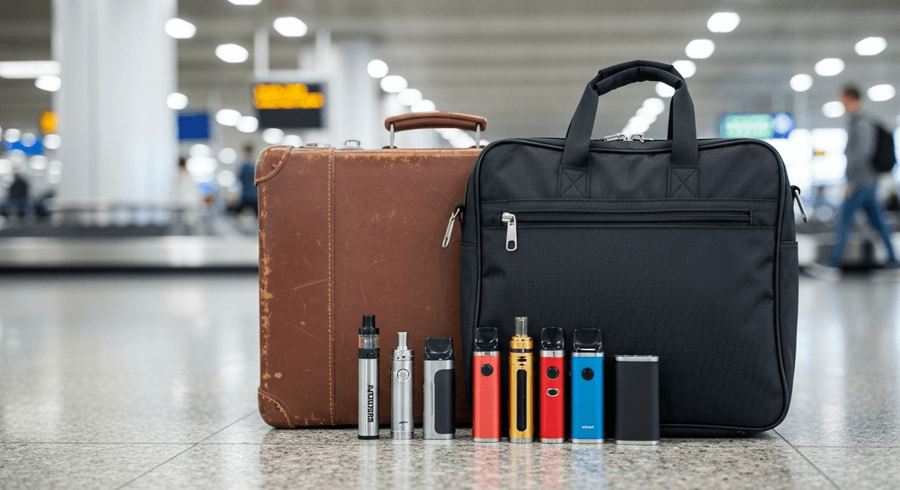
If you're a vaper planning to fly, you might be curious about the regulations surrounding bringing your vape on board. Can you stow your vape in your carry-on luggage? Is vaping permitted during the flight? In this blog post, we'll address these questions and share valuable tips and best practices for traveling with vapes.

Nicotine is an immensely potent addictive substance that profoundly impacts both your body and mind. It can invigorate your nervous system, elevate your heart rate and blood pressure, and augment your overall mood and alertness. Yet, it also carries the potential for generating dependence, inducing withdrawal symptoms, and posing significant health hazards, including the risk of cardiovascular disease, lung impairment, and cancer.

In the rapidly evolving vaping world, innovation has become the driving force behind consumer trends. What once began as a simple alternative to traditional smoking has now transformed into a highly technical industry that leverages cutting-edge technology to redefine the vaping experience. Modern vapers no longer settle for basic functionality; they seek devices that offer customization, intelligent features, safety enhancements, and seamless integration with their lifestyles. This transformation not only shapes the products themselves but also influences how brands position themselves in the global market. As the vaping industry enters a new era, intelligent devices set new user experience and performance benchmarks.

If you are a vaper who loves to travel, you might wonder how many vapes you can take on a plane and how to pack them properly. Flying with vapes can be tricky, as some rules and regulations apply to electronic cigarettes and their accessories. This article explains everything you need to know about flying with vapes, from the TSA vape rules and regulations to the best vapes for traveling. We'll also give you some practical tips on packing your vapes for air travel and avoiding any hassle or trouble at the airport.

Vaping is the act of inhaling and exhaling an aerosol produced by an electronic device, such as an e-cigarette, vape pen, or pod mod. Teens and young adults increasingly prefer vaping because of its variety of flavors, ease of use, and the belief that it is safer than smoking.


Flying with a vape means following stricter security rules and airline policies than many travelers expect. This guide covers what matters most: how to pack your vape, battery limits, liquid rules, safety data, and the penalties for breaking the rules.


Two popular alternatives for consuming nicotine without using traditional tobacco products are nicotine pouches vs vaping. Each method offers a distinct experience, often depending on personal preferences and lifestyle. Understanding the differences between these products can help you see which best suits your needs

As the world shifts towards healthier lifestyles, the rise of Vape Pod Kits signifies a notable change in nicotine consumption habits. This text looks at the technological advancements, regulatory landscapes, and cultural shifts surrounding vaping. It provides insights into its evolution from a niche interest to a mainstream phenomenon, focusing on Sweden's influential role.

In the quest to quit smoking, many individuals turn to alternatives to aid in their journey. This article delves into the role of disposable vapes, such as the Frunk Bar, and their potential as substitutes for traditional cigarettes. We will explore the intricacies of their design and functionality and discuss the broader implications of these devices. Are they truly effective as cessation tools? What does the spectrum of user experiences tell us about their utility? Join us as we navigate these questions, shedding light on the diverse perspectives regarding using disposable vapes to pursue a smoke-free life.

Vaping is a popular alternative to smoking, as it allows you to enjoy the flavor and sensation of inhaling vapor without the harmful effects of tobacco. However, vaping is not without its risks and side effects. One of the most common and unpleasant ones is chest pain. Chest pain from vaping can range from mild to severe, and it can last from a few minutes to several hours. It can affect your breathing, your heart rate, and your mood. It can also interfere with your daily activities and your quality of life. If you're a vaper and you've been experiencing chest pain, you may be wondering what causes it and how to get rid of it. In this article, we'll explain the possible causes of chest pain from vaping, and we'll share some tips and tricks on how to prevent and treat it effectively.

Vaping involves the inhalation and exhalation of an aerosol created by electronic devices like e-cigarettes, vape pens, or mods. This practice has gained popularity, particularly among adolescents and young adults, who may be enticed by the diverse range of flavors, the stylish design of the devices, or the misconception that vaping is a safer alternative to smoking. Nonetheless, it is essential to recognize that vaping carries significant health risks, including the potential for nicotine addiction, lung impairment, and exposure to harmful chemicals.

Vaping is often marketed as a safer alternative to smoking, but it can still harm your lungs and cause serious health problems. One of the most severe consequences of vaping is EVALI, which stands for e-cigarette or vaping product use-associated lung injury. EVALI is a lung condition that can cause symptoms such as shortness of breath, chest pain, cough, fever, nausea, vomiting, diarrhea, and weight loss. EVALI can be life-threatening and require hospitalization or intensive care. According to the Centers for Disease Control and Prevention(CDC), as of February 18, 2020, there have been 2,807 hospitalized cases of EVALI and 68 deaths in the United States.

Vaping is inhaling and exhaling aerosols, or vapor, produced by an electronic device such as an e-cigarette, vape pen, or pod mod. Vaping has become increasingly popular in recent years, especially among young people, as an alternative to smoking tobacco or cannabis. However, vaping is not without risks, and it can have serious consequences for your lung health. In this article, we will answer the question: how long does it take for your lungs to heal from vaping? We will also discuss the factors that affect lung healing, the stages of lung healing, and some tips to speed up lung healing and prevent further damage.

Vaping is often seen as a safer alternative to smoking, as it does not involve combustion and tar, which are known to cause cancer and other diseases. However, vaping is not without risks, especially for pregnant women and their babies. In this article, we will explore the question: can vaping, including popular devices, cause miscarriage? We will review the current evidence and knowledge on the effects of vaping in pregnancy and provide some recommendations and tips for pregnant women who want to quit or reduce vaping. We will also discuss some of the benefits and risks of vaping for smoking cessation and how to apply the precautionary principle when there is uncertainty or insufficient evidence.

Vaping, a widely chosen alternative to smoking, prompts concerns regarding its safety for breastfeeding mothers and their infants. Determining the appropriate waiting period before breastfeeding post-vaping, understanding associated risks and benefits, and exploring alternatives are crucial aspects. This article delves into these questions, relying on the most recent scientific findings and expert perspectives.

With the rise of vaping, questions about its impact on health and body weight have surfaced. Some claim that vaping can help with weight loss, while others worry it could contribute to weight gain. This article delves into the relationship between vaping and body weight, exploring how different factors may influence whether vaping makes you fat or skinny.

Vaping is a popular alternative to smoking that involves inhaling vapor from an electronic device. Many people vape for different reasons, such as to quit smoking, to enjoy different flavors, or to relax. However, some vapers may experience headaches after vaping, which can be unpleasant and interfere with their enjoyment. If you are wondering why vaping can cause headaches and how to prevent or treat them, this article is for you.

Before delving into the issue of whether vaping possesses calories, it's imperative to grasp the essence of calories and their sources. Calories represent units of energy that our bodies utilize for their proper functioning. They are primarily derived from the foods and beverages we consume. The macronutrients in our diet—namely, carbohydrates, proteins, and fats—supply varying amounts of calories per gram:


